QR Code Lucky Draw: Run Digital Giveaways That Engage Instantly

In a nutshell (TL;DR): A QR Code lucky draw lets people enter a prize draw by scanning a code with their phone and filling in a short form. Every entry lands in one list, and you pick the winner at random when entries close. To run one well, keep the form short, block repeat entries, check the local rules for prize promotions, and use a dynamic QR Code so you can fix mistakes after you print.
Put simply, it is a prize draw where people enter by scanning a code instead of dropping a paper slip in a box. The scan opens a short form. Each form they send is one entry, and you pick the winner from that list.
So why add a draw to a QR Code at all? Because it gives people a reason to scan. For our 2026 QR Code Benchmarks report, we looked at 69.9 million scans across 36,810 codes. On consumer packaging, the median active code earned just 21 scans. Codes that opened a purpose-built landing page told a different story. They were 9.7% of packaging codes, yet they drew 48.9% of all packaging scans.
A lucky draw entry page is that kind of page. It promises something, and it asks for one small action.
In this guide, I will walk you through the setup step by step. Then I will cover two things most guides skip: how to stop fake entries, and what the law usually expects. Last, we will look at real campaigns from Thums Up, Bud Light, and Britannia, and what each one teaches.
A. What is a QR Code lucky draw?

A QR Code lucky draw is a digital version of the classic “drop your name in a box and wait for the winner to be announced.”
Instead of filling out paper slips, participants simply scan a QR Code using their smartphone. The code links them to an online form, landing page, or campaign microsite where they can enter their details. Once submitted, their entry is securely stored in a database, ready for the draw.
Think of it as a modern twist on the traditional raffle, but instead, it’s faster, cleaner, and more engaging.
Whether it’s a retail store giveaway, a product launch contest, or a college fest, a QR Code makes it easy for people to participate on the spot.
In short, it’s a paperless, hassle-free lucky draw that saves time for organizers and makes the process more exciting for participants.
B. What are thebBenefits of using QR Codes for lucky draws?
Switching from a traditional lucky draw to a QR Code-powered one isn’t just about saving paper. It transforms the entire experience, for both participants and organizers. Here’s how:
1. Effortless participation for users
Think about the old way: find a pen, write your details on a tiny slip, and hope it doesn’t get lost. With a QR Code, all someone needs is their phone. They scan, type their name and contact info, and they’re done.
This frictionless process means more people are likely to enter, especially younger audiences who expect digital experiences.
2. Real-time entry collection and tracking
Instead of collecting hundreds of slips in a box and sorting through them, QR Code entries are automatically stored in a database or spreadsheet.
Organizers can view entries live, track participation numbers, and even export the list instantly. This is especially useful if you’re running multiple draws at once (say, across different store branches).
3. Higher engagement and visibility
A QR Code adds an interactive layer that grabs attention. Imagine a poster at a mall that says: “Scan to Win an iPhone 15!” People stop, scan, and enter within seconds.
Because it feels more dynamic than filling a form, participation spikes. Some brands even add gamification, like redirecting participants to a spin-the-wheel page after scanning.
4. Eco-friendly and cost-efficient
Lucky draws traditionally mean paper slips, printed forms, and lots of waste. QR Codes cut that out. They’re reusable, need no extra printing once designed, and align well with eco-conscious branding.
For companies running frequent promotions, the cost savings in printing and manpower are significant.
5. Transparency and fairness
One big pain point of physical draws is trust; people often wonder if the selection was truly random.
With a QR Code system, entries are digital, timestamped, and easy to randomize with online tools. Organizers can even project the randomizer live to show participants that the process is fair.
6. Works anywhere, online or offline
QR Codes bridge the gap between physical and digital. Place them on banners, receipts, flyers, or packaging, and people can enter instantly.
Or share them digitally or through a social post to let remote participants join too. This flexibility lets organizers scale their lucky draws beyond just on-site attendees.
7. Security and customization options
Dynamic QR Codes allow organizers to prevent duplicate entries (for example, limiting one entry per device).
You can also add branding, like company logos and colors, so the lucky draw feels professional and credible. Some tools even allow password protection or OTP-based verification to ensure entries are genuine.
8. Share event details
If you’re planning on organizing an event for the lucky draw, you’d like to give the event details to the participants.
This could include an event itinerary, images, video, and a lot more. An event QR Code can help you do just that.
It allows you to add an event description, images, video, website link, and social sharing buttons, and even helps you get guests to RSVP.
Yes, they do not need to email you or give you a call to do the job. They simply need to press a button on the landing page confirming their call or email.
9. Gather feedback
Getting feedback is always important to improve your services. It helps you know what went right and where you can make improvements.
However, getting participants to submit their feedback is not easy. They usually need to follow a long list of procedures to access the feedback form and finally fill it out.
But just like getting registrations, QR Codes can help you get feedback seamlessly. Simply create one and put it inside your premises, on the template of invoices, or your promotional material.
10. Drive web traffic or social media followers
Do you have a website? It could be to provide information about the lucky draw, give discounts, or get people to register for the draw. And you’d want people to visit it.
A Website URL QR Code can help you do that. Just create one and place it on print media promotions. Your target audience can scan it to visit your website in no time.
In addition, you can also offer them an easier way to follow you on social media via a Social Media QR Code. As end-users scan it, they’ll be redirected to a page with buttons for all your social media accounts. They can then select their favorite platform to follow you online.
At a Glance: QR Code Lucky Draw vs Traditional Lucky Draw
|
Feature |
Traditional Lucky Draw |
QR Code Lucky Draw |
|
Entry method |
Paper slip + pen |
Scan QR code → online form |
|
Entry tracking |
Manual count, error-prone |
Real-time database, auto-sorted |
|
Duplicate prevention |
Difficult to enforce |
Email verification or device limit |
|
Fairness / transparency |
Hard to demonstrate |
Timestamped entries, live randomiser |
|
Geographic reach |
On-site only |
Online + offline simultaneously |
|
Data collection |
Manual data entry required |
Automatic — exportable to CSV/spreadsheet |
|
Cost per campaign |
Printing + staff time |
One-time QR code setup |
|
Environmental impact |
Paper waste per event |
Zero paper waste; code is reusable |
C. How do you set up a QR Code lucky draw?
Running a QR Code lucky draw is simpler than it sounds. The process can be broken into two parts: how it works in practice, and how you can set one up yourself.
1. How it works (the flow)
- Participants see the QR Code on posters, packaging, event tickets, or social media posts
- They scan the code with their phone’s camera
- The code takes them to an online form or landing page where they fill in their name, email, or other details
- Their entry is stored automatically in a database or spreadsheet
- The organizer runs the lucky draw by randomizing the entries and announcing the winner, either live or later
2. How to set it up (step by step)
Here’s how you can create one yourself using a QR Code generator like Scanova:
Step 1: Set up your entry form or landing page
- Use Google Forms, Typeform, or Scanova’s Custom Page QR Code to collect participant details
- Keep it short: name and one contact detail is enough to lower the entry barrier
- Copy the form link once ready; you’ll need it in the next step
Step 2: Generate your QR Code
- Go to Scanova and click Create QR Code
- By default, the Website URL category is selected. Keep it if you’re linking to a Google Form or external page; switch to Custom Page if you want to build the entry form directly inside Scanova
- Paste your form link (or set up your Custom Page content), then click Next
Step 3: Customize and brand your QR Code
- On the design screen, choose between two options:
- Custom Logo Design: Add your brand logo and change colors
- Custom Background Design: Place the QR Code over a background image, great for banners and posters
- Add a QR Code Frame with a “Scan to Win” or “Scan to Enter” call-to-action to make the code self-explanatory
- Preview the final design before proceeding
Step 4: Download your QR Code
- Click Download QR Code and sign up if prompted (no credit card needed for the free trial)
- Choose your preferred image size and format: PNG for digital use, SVG or EPS for print
- Click Export to save
Step 5: Print or share the QR Code
- Offline: place it on banners, posters, receipts, product packaging, or event invites
- Online: embed it in emails, share on social media, or use it in digital ads
Step 6: Collect and track entries in real time
- As participants submit the form, responses are logged instantly
- If you created a Dynamic QR Code on Scanova, your dashboard shows scan analytics including total scans, device type, location, and time (available on paid plans)
- Export participant data to a spreadsheet for easy draw management
Step 7: Run your lucky draw
- Use any online randomizer (like random.org) to pick a winner from your entries list
- Announce the winner live, via email, or through a follow-up social post
Pro tip: If you expect a large number of entries, use a dynamic QR Code. This allows you to update the form link later without reprinting the code and gives you scan analytics to track participation.
D. What can you learn from real-world QR Code lucky draw campaigns?
Brands across industries have experimented with QR Code lucky draws and interactive promotions to capture attention and boost engagement.
Here are some campaigns worth noting and lessons you can apply.
1. Retail promotions on packaging
Some FMCG brands turn their product packaging into a gateway to prizes. Customers simply scan the QR Code on a bottle, snack pack, or carton and submit their details to join a lucky draw.
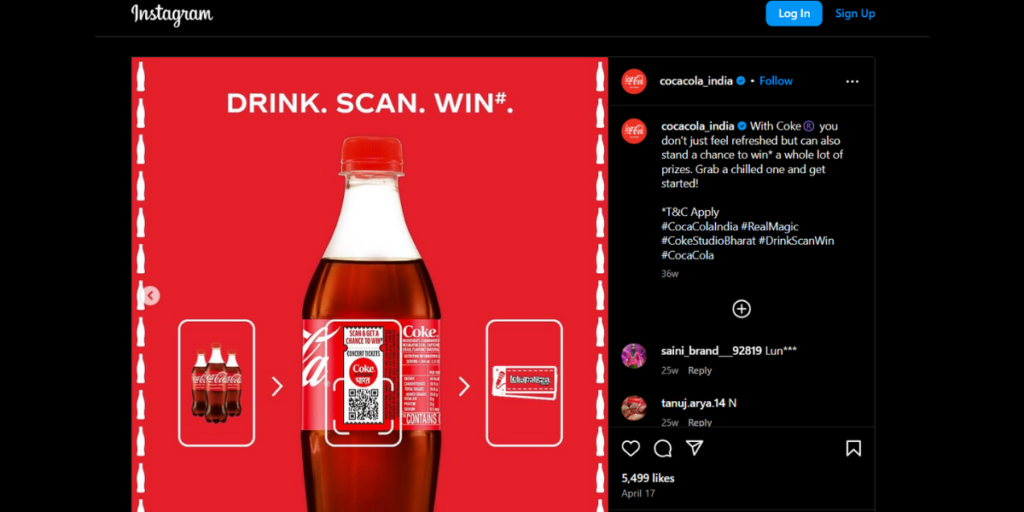
This makes the packaging itself a marketing channel and drives repeat purchases. Coca-Cola, for example, has run several “scan to win” promotions where bottle labels carried QR Codes linking to prize entries (source).
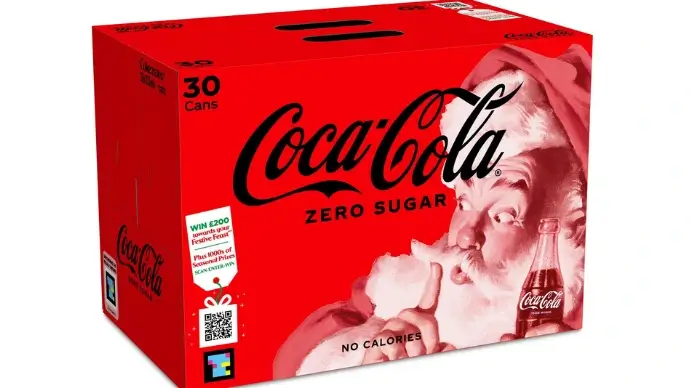
Coca-Cola also ran a QR Code lucky draw as part of its summer marketing campaign. Customers who purchased a Coke could scan the QR Code on the bottle to enter a draw for various prizes, including beach vacations and gadgets.
The campaign saw a significant increase in sales and engagement, with thousands of participants scanning codes and sharing their experiences on social media.
2. Nike’s product launch
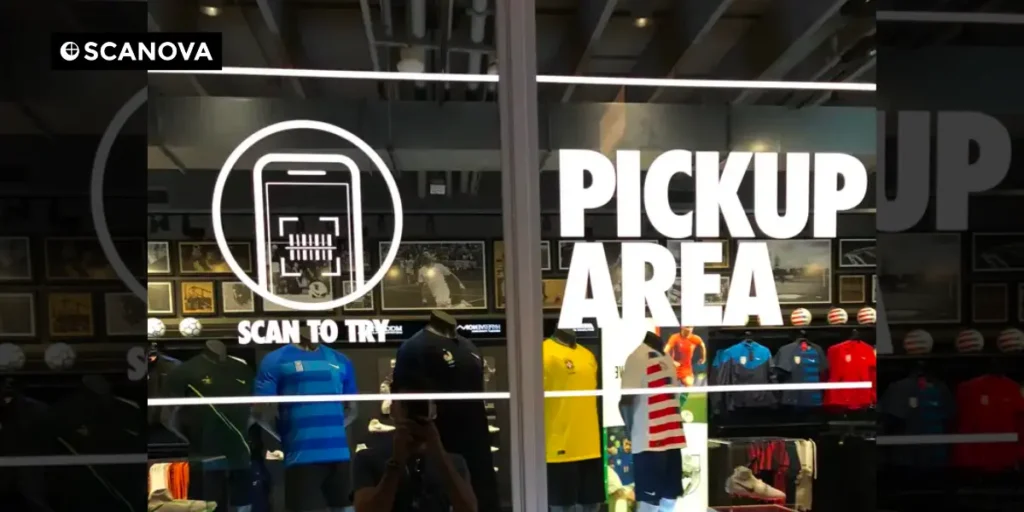
To promote a new line of sneakers, Nike used QR Codes in a scavenger hunt. Participants scanned codes found in various locations to collect points and win exclusive access to purchase the new sneakers.
The campaign generated significant buzz and increased foot traffic to Nike stores.
3. Poppi Soda’s Super Bowl sweepstakes
In 2025, U.S. soda brand Poppi tied a sweepstakes to the Super Bowl, one of the biggest sporting events of the year. Fans could scan QR Codes in store displays or visit the campaign site to enter.
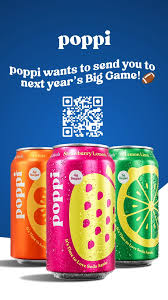
The grand prize was huge: two Super Bowl tickets plus a $7,000 travel stipend. Participants could even enter once per day, keeping them engaged throughout the two-month campaign (source).
The mix of an aspirational prize, multiple entry opportunities, and cultural relevance made this campaign especially powerful.
4. Britannia Winkin’ Cow’s interactive cricket campaign
In India, Britannia added QR Codes to its Winkin’ Cow milkshake bottles during festive season campaigns.
Scanning the code launched an AR cricket game where users could play and win rewards. By tapping into cricket, an obsession in India, the brand turned an ordinary milkshake into an interactive experience (source).
Winkin’ Cow has since become a ₹100 crore brand, with interactive promotions playing a role in its growth (source).
5. Corky’s BBQ drive-thru surprise
In the U.S., Corky’s BBQ placed QR Codes in its drive-thru lanes. Customers who scanned could enter a quick draw and sometimes won an instant dessert.
This “surprise and delight” tactic turned an everyday transaction into a memorable moment, while also collecting valuable customer data (source).
6. KFC’s receipt-based QR Code contests
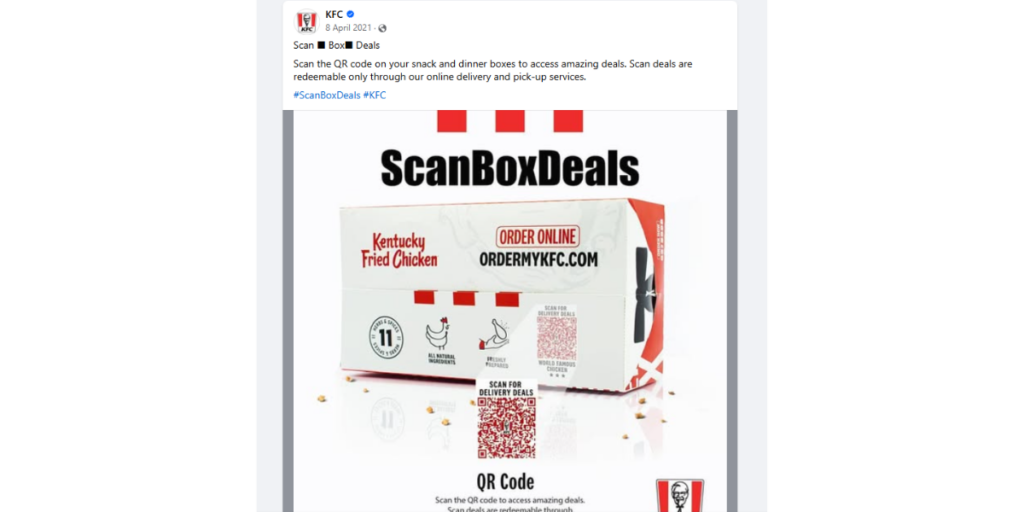
KFC uses QR Codes printed on receipts and boxes as part of their lucky draw campaigns. Customers are encouraged to scan the code, which directs them to a website to register with their purchase details.
Prizes often include free meals or discounts on future purchases. This approach boosts customer engagement while encouraging repeat visits.
7. Nestlé – Scan to win weekly rewards
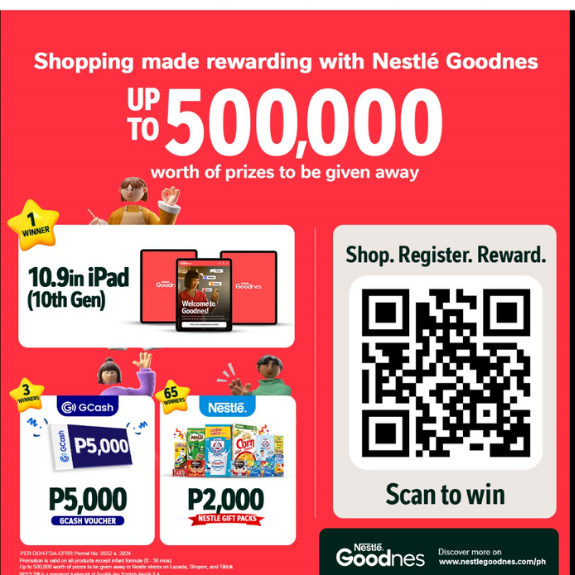
Nestlé has conducted campaigns where QR Codes are printed on product packaging.
Upon scanning, users are taken to a microsite to input their purchase details to win weekly prizes, such as electronics or grocery vouchers.
These campaigns drive product sales and create excitement among customers.
8. Burger King – QR Codes for Sweepstakes
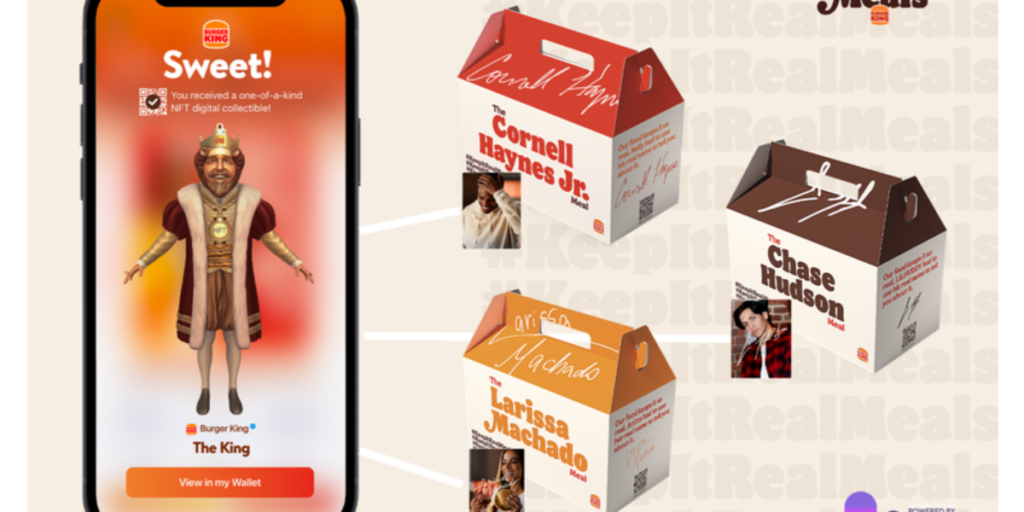
Burger King placed QR Codes on their meal packaging to promote a lucky draw campaign. Scanning the code allowed customers to register for a sweepstake to win exclusive rewards like free meals, gift cards, or even gadgets.
The seamless integration of the QR Code with the dining experience made it easy for customers to participate.
9. PepsiCo – Festival-themed lucky draws
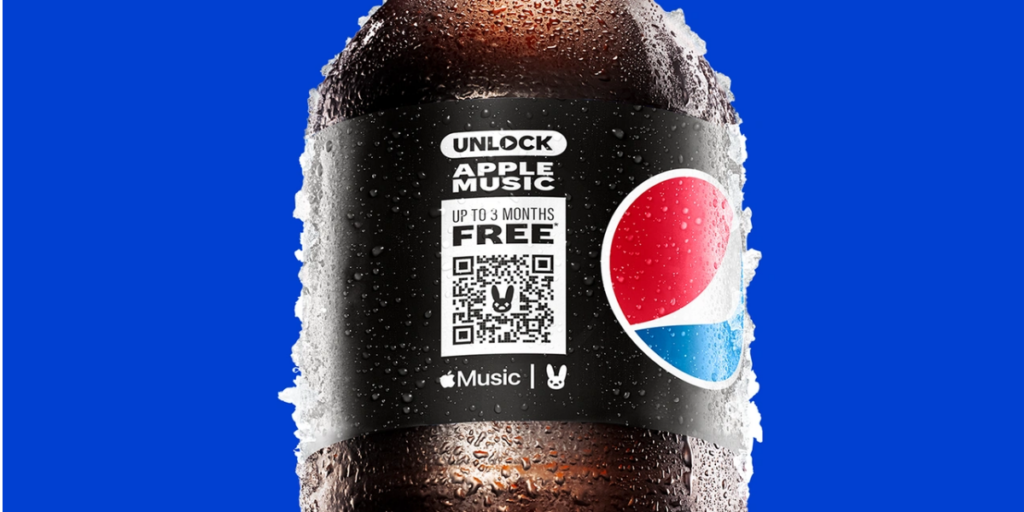
PepsiCo has utilized QR Codes on its beverage cans and bottles during festive seasons for fun lucky draw events.
Scanning the code redirects users to an interactive webpage to spin a virtual wheel or open a mystery box for instant prizes.
This gamified approach enhances customer interaction and adds fun to the campaign.
10. Samsung – Product launch campaigns
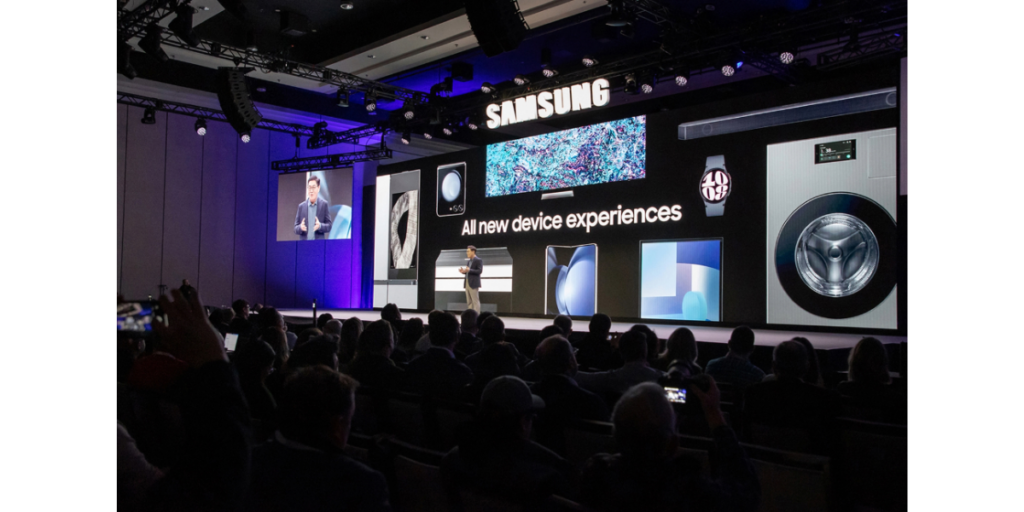
Samsung has integrated QR Codes in its product launch events, especially for new smartphones.
Customers attending the launch or purchasing the product can scan the QR Code to enter a lucky draw for exclusive Samsung merchandise or accessories.
This strategy not only drives attendance but also promotes product visibility.
11. Starbucks – Holiday lucky draw via App QR Codes
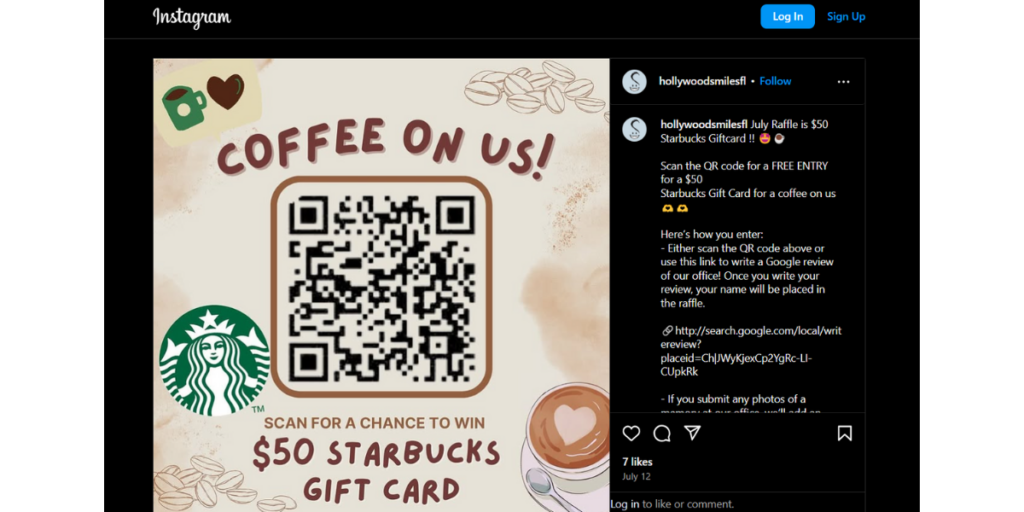
Starbucks runs seasonal campaigns where customers earn entries into a lucky draw by scanning QR Codes through the Starbucks app after each purchase.
Prizes range from free drinks to limited-edition collectibles. The app-based integration ensures loyalty while tracking customer participation.
12. Event and trade show giveaways
At live events, QR Codes often appear on banners, tickets, or booths. Attendees scan them to enter draws for backstage passes, merchandise, or discounts.
Because people are already in a high-energy environment, scan and entry rates tend to be higher.
What you can learn from these examples
- Tie campaigns to culture or events. Poppi used the Super Bowl, Britannia used cricket, and festivals. This makes the campaign timely and relatable
- Make entry frictionless. Keep forms short and mobile-friendly. The easier it is, the more people will participate
- Use physical and digital together. QR Codes on packaging, posters, or tickets can be promoted further via social media or email
- Offer prizes that feel aspirational. Big rewards like trips or event tickets drive buzz, but even smaller “instant win” prizes can create delight
- Build transparency and trust. Announce winners publicly or use a randomizer tool to ensure fairness
- Add creativity beyond the draw; AR games, instant wins, or gamified landing pages make the experience fun and shareable
E. What are the best practices for a QR Code lucky draw?
A QR Code lucky draw is only as good as the thought put into its execution. If you want high participation and positive brand impact, here are proven practices to follow:
1. Place your QR Codes where people can’t miss them
Visibility is everything. Don’t just tuck a QR Code in a corner; make it bold and prominent on posters, packaging, banners, or tickets.
For offline events, position them near entrances, checkout counters, or booths where people naturally stop. Online, add them to social posts and websites.
2. Use a clear, compelling call-to-action (CTA)
People won’t scan a QR Code unless they know what’s in it for them. Phrases like “Scan to Win a Free Trip” or “Enter Now for Weekly Prizes” are far more effective than a bare QR image. Pair the code with short, punchy text and a prize visual to grab attention.
3. Keep entry quick and simple
The more fields you ask participants to fill out, the fewer will complete the process. Stick to essentials: name + one contact method (email or phone). You can always collect more data later through follow-ups.
4. Offer prizes that resonate with your audience
A prize should feel worth the effort. Poppi’s Super Bowl tickets worked because fans already cared about the event.
Similarly, a retail store might offer gift vouchers, while a university fest could give free concert passes. Align rewards with what excites your target audience.
5. Use dynamic QR Codes for flexibility
Dynamic QR Codes let you update links even after printing. If you need to change your entry form or landing page midway, you won’t need to reprint materials.
They also give you analytics, scan counts, device types, and locations, so you can track campaign performance in real time.
6. Test before going live
Nothing kills trust faster than a QR Code that doesn’t work. Scan it across different devices and connections before launch. Check if the form is mobile-optimized, loads fast, and submits without errors.
7. Limit duplicate entries for fairness
If you want one entry per person, set restrictions in your form (like requiring an email verification or using unique codes per ticket). This prevents abuse and keeps the draw credible.
8. Promote across multiple channels
Don’t rely on just one touchpoint. Combine offline placements (flyers, packaging, event banners) with online pushes (social posts, email blasts). The more surfaces your QR Code appears on, the bigger your entry pool.
G. FAQs on QR Code lucky draws
1. Can I create a QR Code lucky draw for free?
Yes. You can generate a basic QR Code for free using tools like Scanova’s free generator. However, if you need advanced features like dynamic editing, branding, and scan analytics, you’ll need a paid plan.
2. How do I ensure fairness in a QR Code lucky draw?
Use an online randomizer tool to pick winners from your entry list. Announce results publicly, via social media, email, or live events, to build trust and transparency.
3. Can participants enter multiple times by scanning the QR Code repeatedly?
That depends on how you design the form. You can limit duplicate entries by requiring unique details (like verified emails) or by restricting one entry per device.
4. What’s the best tool to create a QR Code lucky draw?
A QR Code generator like Scanova is a good choice. It allows you to create dynamic QR Codes, customize designs with branding, and track scans.
You can link it to forms (Google Forms, Typeform, or Scanova’s Custom Page) to collect entries.
5. What is the Thumbs Up QR Code Lucky Draw?
Coca-Cola’s Thumbs Up brand in India has run QR Code-based contests where participants scan a code on packaging or promotional material to enter a lucky draw.
These campaigns typically offer prizes like vouchers, merchandise, or event tickets. They show how big brands use QR Codes to make promotions interactive.
6. How do I create a QR Code lucky draw free of cost?
You can:
- Create a free form using Google Forms.
- Generate a free QR Code that links to it.
- Share or print the code for participants to scan.
- This works for small-scale giveaways. For larger campaigns, use a dynamic QR Code generator for added control.
7. Where should I place QR Codes for maximum participation?
Put them in high-traffic spots, store entrances, checkout counters, posters at events, or product packaging.
Online, share them via email newsletters, websites, and social posts. Always pair the code with a strong CTA like “Scan to Win.”
8. What types of prizes work best for QR Code lucky draws?
Prizes that are aspirational and relevant to your audience work best. For example, tech gadgets, event passes, or brand vouchers.
Smaller instant rewards (like free desserts or discount codes) also drive engagement.
9. Do I need coding skills to set up a QR Code lucky draw?
Not at all. Most QR Code generators are user-friendly. You just paste your form or landing page link, generate the code, and share it. No technical expertise is required.
Ready to run your first draw?
A good lucky draw is easy for the person entering and tidy for you. Write the rules first. Keep the form short. Close entries on time. Pick the winner where people can see.
If you want the entry form, the list, and the closing date in one place, Scanova's Lead Generation feature handles all three. Start a 14-day free trial, with no credit card needed, and build your first entry form.